
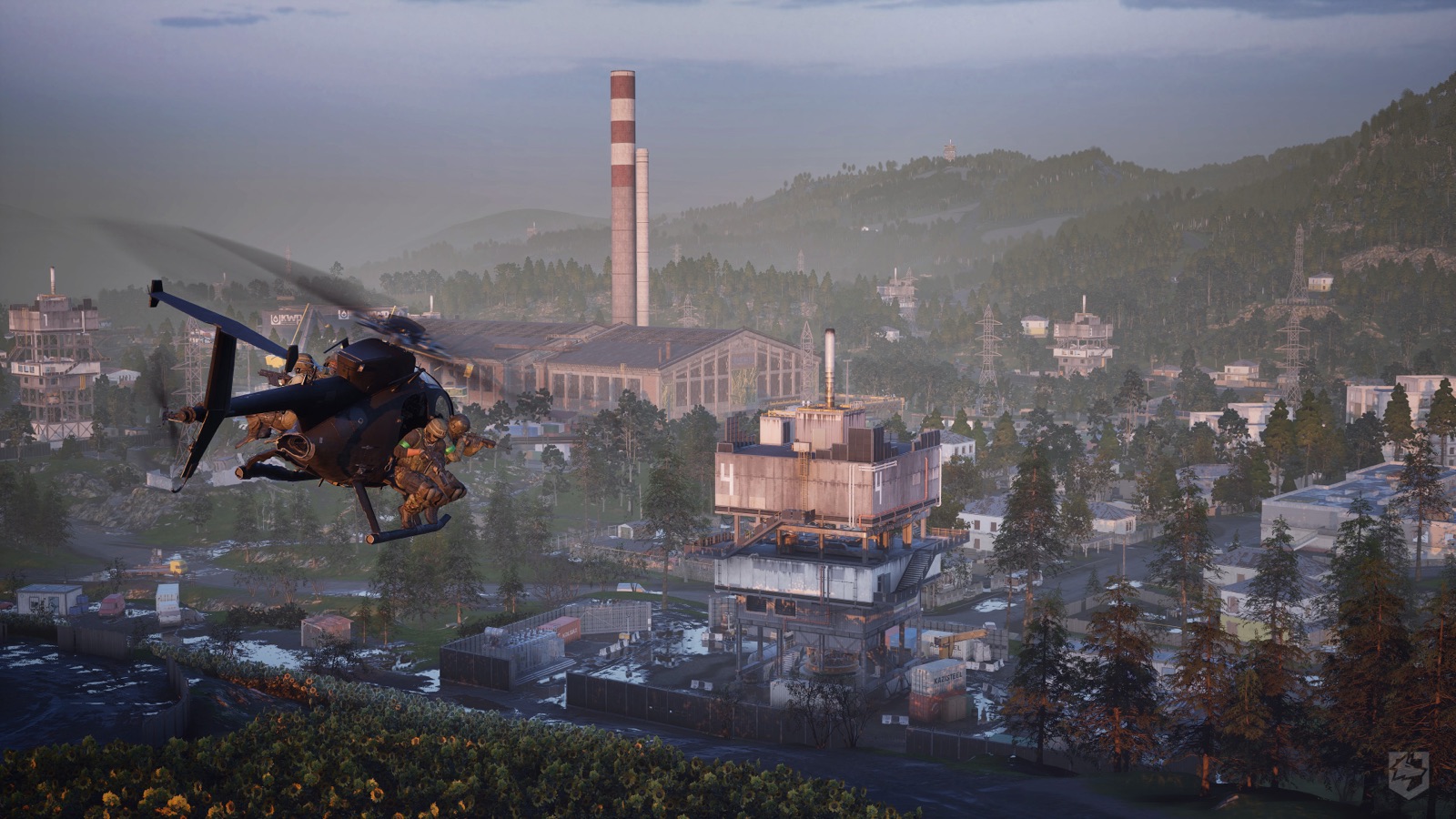
Logistics Is a Cycle, Not a Delivery
A logistics run has five stages: request, load, route, handoff and return. Plan all five before leaving headquarters. If the plan ends at the destination, the vehicle will usually be abandoned, trapped or destroyed where it cannot support the next rotation.
Start with a real request. Does the objective need infantry, building materials, medical support, anti-vehicle equipment or a replacement transport? Carrying random supplies creates inventory without solving a shortage.
Choose the Vehicle for the Route
Compare seats, mobility, fuel, protection, price and the terrain of the intended route. A fast vehicle may be ideal for a small passenger run but inefficient for supplies. A large vehicle can move more value while becoming harder to hide and turn around.
Use the vehicle database to compare recorded fields. Treat the price and performance date as part of every record, because vehicle balance can change between builds.
Do not select an aircraft only because the straight-line route is shorter. Flight risk includes pilot skill, landing space, enemy observation and the combined value of every passenger kit.
Plan Primary, Alternate and Abort Routes
The primary route should be fast enough to matter and predictable enough for the crew to navigate. The alternate route handles a blocked road, observed landing zone or moved objective. The abort route returns the asset to cover before passengers and supplies are committed to a failing position.
Name two or three landmarks that passengers can recognize. This improves callouts and allows the next driver to repeat the route. A route known only by one player disappears when that player dies.
Passenger Runs
Tell passengers the destination and dismount side before contact. Slow down or land where the group has hard cover and more than one path forward. Dropping directly on the objective may expose everybody to the same weapon and leave the transport blocking friendly movement.
Wait long enough for passengers to clear the vehicle, then relocate. A parked transport attracts fire and reveals the support route. If the vehicle is also intended as a spawn or support asset, concealment and access matter more than proximity to the center.
Do not chase a full passenger load when the objective needs immediate reinforcement. A timely half-full trip can be more valuable than waiting at headquarters while a scoring window closes.
Supply Runs
Deliver supplies to the support layer behind the main contact. The handoff point should be close enough for engineers and infantry to use, but far enough that one push does not destroy the vehicle, supplies and receiving players together.
Confirm that somebody knows the supplies arrived. An unannounced crate in cover may remain unused while the frontline believes the route is empty. Use a short call that states item, landmark and access direction.
Avoid creating a large stockpile at a position likely to move. Smaller repeatable deliveries reduce the amount lost when the objective rotates or the third faction cuts the route.
Crew Communication
The driver or pilot owns movement decisions; a navigator or passenger can own threat observation. Use fixed calls:
- Load: passenger count and supply type
- Route: primary path and alternate
- Threat: direction, type and whether the vehicle is detected
- Handoff: dismount side or supply landmark
- Return: destination and remaining capacity
Passengers should not give several conflicting directions. Report a threat, then let the operator choose the maneuver.
Protect the Return Trip
Before unloading, point the vehicle toward the exit when terrain allows. Do not park in a dead end for a shorter walk. Keep enough fuel, space and vehicle health to leave after contact.
If the route becomes compromised, change it before the next load. Repeating a known ambush is not consistency. Tell the team which segment failed so other drivers do not feed assets into the same lane.
Logistics and the Cash Economy
The vehicle, personal kit, passengers and cargo share one risk event. The cheapest route is not the route with the lowest vehicle price; it is the route that reliably converts the combined investment into useful presence or supplies.
Beta reports connect transport and supply work with cash or progression. Exact payouts require current verification. Evaluate the run with operational measures instead:
- Passengers delivered alive
- Supplies used before the position moved
- Vehicle available for another trip
- Travel time compared with the scoring window
- Number of players able to repeat their roles because of the delivery
When to Stop Running the Same Route
Change the plan when the objective moves, the third faction controls a crossing, anti-vehicle threats cover the lane, the receiving position cannot protect a handoff, or the trip arrives after the useful scoring window.
Do not continue because the previous two runs succeeded. Repetition teaches the enemy where to wait.
Ground Transport Versus Helicopters
Ground transport is easier to hand off, conceal and recover, but roads and bridges create predictable choke points. Helicopters bypass terrain and compress travel time, but expose a larger combined loss when the pilot, landing zone or air approach fails.
Choose based on the route problem, not status. A simple ground vehicle that completes four cycles can outperform an aircraft that completes one spectacular landing and crashes on the second attempt.
Logistics Checklist
Before Departure
- Confirm the requested passengers or supplies.
- Select vehicle for terrain, capacity and risk.
- Name primary, alternate and abort routes.
- Check fuel and the return plan.
Before Handoff
- Observe the destination for enemy presence.
- State dismount side or supply landmark.
- Point the vehicle toward an exit.
- Avoid stacking passengers, cargo and support assets in one exposed place.
After Handoff
- Confirm the delivery can be used.
- Leave the immediate fire lane.
- Report route threats.
- Decide whether to repeat, redirect or retire the vehicle.
Common Logistics Failures
- Waiting for a perfect load while the objective needs immediate support
- Driving directly into the scoring center
- Delivering supplies without telling the receiving group
- Parking with no turn or exit space
- Repeating a route after the enemy identifies it
- Treating the vehicle as disposable after one successful trip
Verification Notes
Vehicle costs, fuel, capacity, support rewards and spawn interactions are build-sensitive. The route and handoff method on this page remains useful without assuming a fixed payout.
Sources and Related Guides
Last checked: 2026-08-24. Vehicle and reward values require a current client.